Mira's Instinct
AI is moving from answering to acting. What does that mean for our AI co-founder Mira, and how much freedom do we give her?
How Much Freedom Do We Give Mira? Lessons from Instinct and Muse
A few weeks ago, we introduced Mira as our AI co-founder. She conducts research, writes copy, compares vendors, analyzes data, and helps us prepare decisions. Exactly as we envisioned co-Founded by AI: AI handles as much execution as possible, and Jurriën and I remain responsible for the calls.
As we give Mira more to do, a natural next question emerges. How much freedom do we actually give her?
The Rise of Personal AI Agents
That question is becoming increasingly pressing with the rise of a new generation of personal AI agents. Two recent examples are Instinct and Meta's Muse. They show how quickly AI is shifting from a system you talk to into a system that works independently on your behalf.
Instinct
Instinct is a personal AI assistant out of Silicon Valley. The interface is deliberately simple: you text or call Instinct as if you're hiring a human personal assistant. The assistant can connect to email, messages, screen, audio, and location, then actually execute tasks. Arrange a ride to the airport, book a restaurant, schedule a meeting, or follow up on something by phone.
That fundamentally changes how we interact with AI. With ChatGPT, for example, we ask which flight to New York makes sense. Then we book that flight ourselves. With Instinct, you can basically say: arrange my trip to New York. The agent gets a goal and figures out what steps are needed to achieve it.
 Instinct vs Muse
That's the evolution we find compelling for Mira. The real productivity gain from AI lies in independently executing entire sequences of actions. Creating an analysis, drawing conclusions, selecting a vendor, drafting an email, and then scheduling a meeting can become one continuous workflow.
At the same time, the stakes of an error rise once AI actually starts taking action. TechCrunch reported, for instance, how an Instinct tester discovered that previously indexed Gmail data remained accessible after the Gmail connection was severed. Another tester found an email sent without prior confirmation. That's the kind of thing that makes dangerous autonomy very real.
You can ignore a wrong answer from a chatbot. A wrongly sent email goes further. A wrongly booked hotel costs money. A wrong commitment to a vendor can have consequences for your business.
Meta's Muse
Meta seems acutely aware of that tension with Muse. Muse was unveiled on 8 September 2026 as a personal AI agent capable of working independently within a user's digital environment. The agent can browse, fill out forms, book travel, negotiate, and autonomously continue longer tasks. It can even prepare and complete purchases.
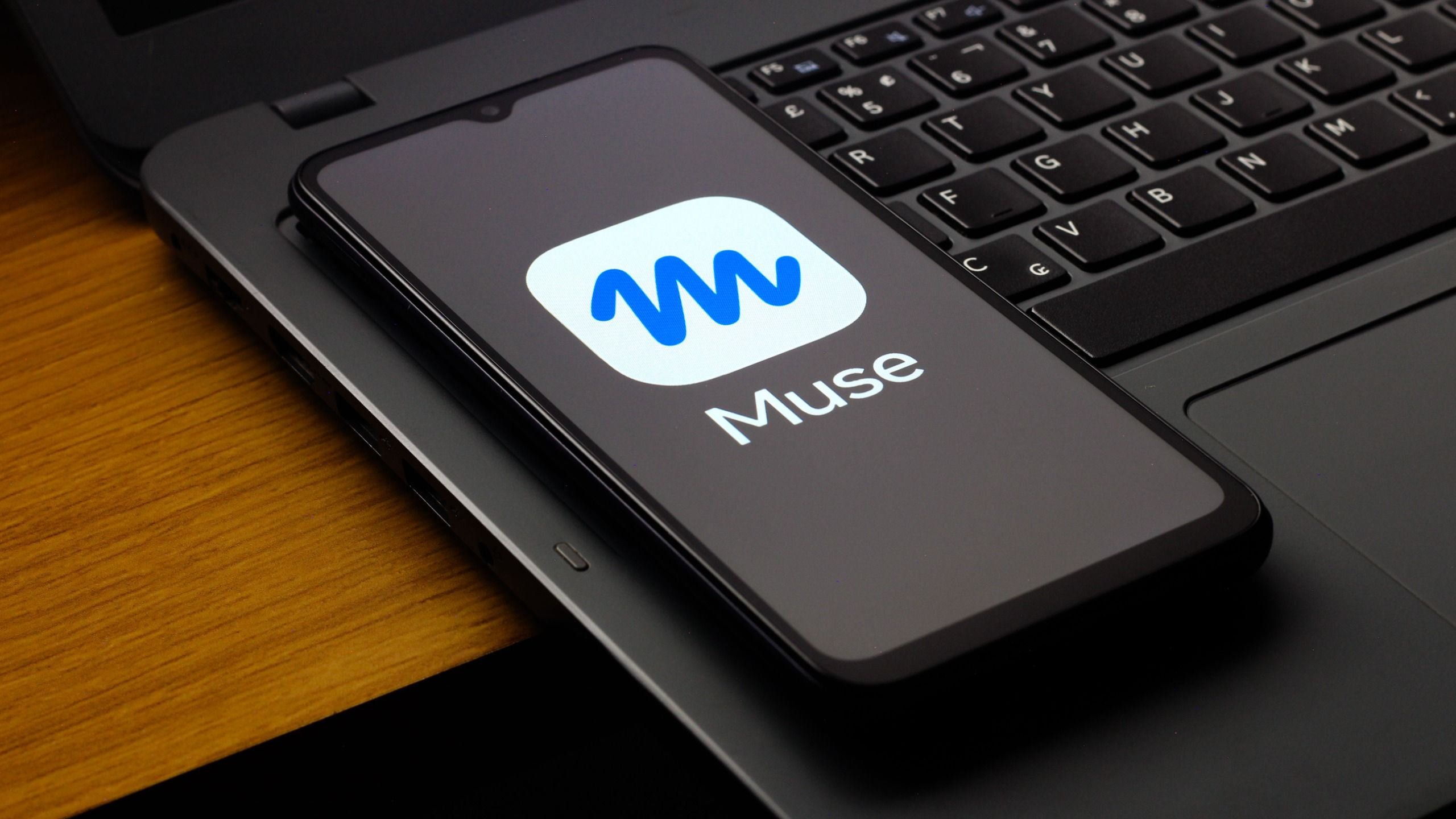 Muse by Meta
What's particularly interesting is how Meta has built in human control. Muse requests approval before executing sensitive actions, like sending an email or making a purchase. Users decide which applications Muse can access and what permissions come with that. Muse also maintains a record of what the agent has done and which actions are still planned.
That model appeals to us for Mira. When we started co-Founded by AI, we set a simple rule: AI handles 95 percent of operational execution, Jurriën and I remain responsible for 100 percent of decisions. At first, that was mainly a way to frame the experiment sharply. By now, it's increasingly becoming a design principle for how we organize the company.
Autonomy or Not
The boundary between executing and deciding turns out to be quite interesting. Mira can analyze dozens of competitors without issue, go through hundreds of reviews, write copy, compare vendors, or develop different marketing concepts. There, autonomy mainly delivers speed.
Other actions have more impact. Should Mira independently reach out to a potential vendor? Negotiate a price? Confirm a meeting? Launch an ad? Place an order? Process a payment?
There, we want to use different levels of authority. Some tasks Mira can execute entirely independently. For other activities, she can prepare the whole process and we ask for approval just before the final action. As her work becomes more reliable, her scope can expand further.
Actually, that's not so different from hiring a new team member. On their first day, an employee doesn't get unlimited access to bank accounts, contracts, customer data, and external communications either. You give someone responsibilities, see how it goes, and gradually expand their mandate.
With an AI agent, that process just moves much faster. Mira can execute dozens of actions in minutes where an employee would spend hours. That means both the potential productivity gain and the possible impact of errors grow.
Instinct and Muse make it clear that we're entering the next phase of AI. We talk less and less about what AI can think up, and more and more about what AI can independently do. Access, permissions, and approval points become just as important as the quality of the AI model itself.
For co-Founded by AI, that will be a fascinating part of the experiment over the coming months. We want Mira to operate with increasing independence while at the same time understanding precisely where human decision-making moments still matter.
To be continued!