How we divvy up work between Claude, ChatGPT and Gemini
The priciest model costs a hundred times more than the lightest. We lock in which model does what work per task, and the company brain keeps all models aligned.
In a good kitchen, the chef rarely chops onions herself. Her time goes to the dish that puts the place on the map. With AI we see the opposite: many teams throw the strongest model at everything, from a summary to a tweet, then faint at the bill.
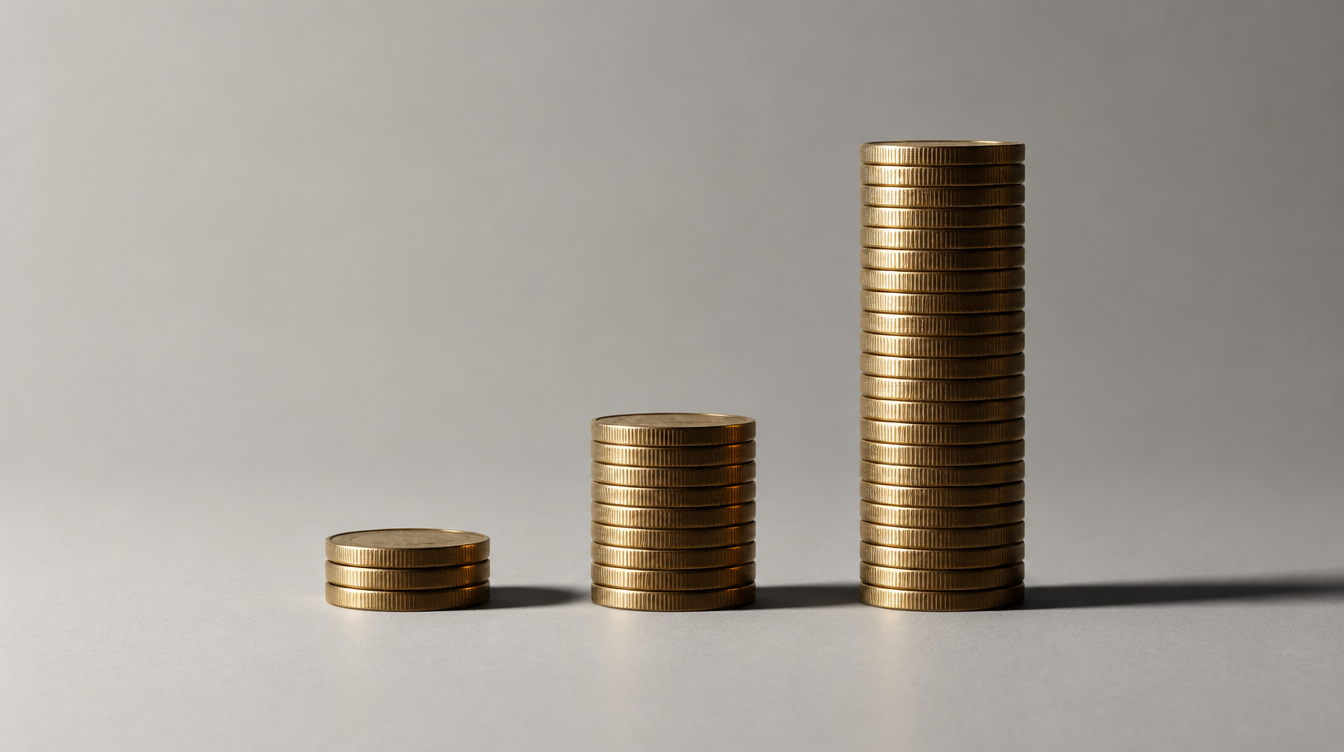
The price gaps have become severe. Claude Opus 5.1 runs $10 per million input tokens, Claude Haiku 5.5 runs a dime. A hundredfold difference. OpenAI and Google follow the same pricing logic.
At co-Founded by AI and minagi, we flip it. We start with the lightest model that can handle the job and scale up when results demand it. The company brain codifies which work belongs to which model. That way, every agent, from Claude to Gemini, makes calls from the same playbook.
Three vendors, one logic
The workhorse models cost one-fifth of the top-tier ones; the lightweight models run one-hundredth. Each vendor stacks three tiers, and the per-tier pricing lands remarkably close across the board.
| Tier | Anthropic | OpenAI | |
|---|---|---|---|
| Top | Claude Opus 5.1: $10 / $50 | GPT-6 Astra: $10 / $50 | Gemini 3.1 Pro (preview): $2 / $12 |
| Workhorse | Claude Opus 5.5: $4 / $20 and Claude Sonnet 5.5: $2 / $10 | GPT-6.1 Sol: $2 / $10 | Gemini 3.8 Flash: $0.75 / $3.75 |
| Lightweight | Claude Haiku 5.5: $0.10 / $0.50 | GPT-6 Luna: $0.10 / $0.50 | Gemini 3.5 Flash-Lite: $0.30 / $2.50 |
Prices per million tokens, input / output, standard rate as of October 8, 2026.
All three slash prices in half for batch work. Gemini 3.8 Flash doubles on January 1, 2027, so anyone building on it should budget the new rate now. Image pricing climbs at the same clip. An image from Nano Banana Pro runs just over 13 cents, a 1K image from Nano Banana 2.1 just over 3 cents.
Which work goes to which model
The question per task: what does a mistake cost here? A product pick gone wrong costs weeks; a wrong answer to a customer about shipping costs a minute. That question sets the tier, the model we deploy. A few examples from our work:
| Work | Model | Why | Lives in the brain |
|---|---|---|---|
| Strategy, product choice, pricing strategy | Claude Opus 5.5; Opus 5.1 only for the rare marathon task | A thinking error costs weeks; a few bucks per session is pocket change next to that | 00-core/decisions.md |
| Weekly log, Emerce column, copy, code for the sites | Claude Sonnet 5.5 | Fast, sharp enough, half the cost of Opus | 10-cofounded/, voice-nl.md, 60-ops/stack.md |
| Customer questions from Mira on mi-nagi.com | Claude Haiku | Thousands of short chats; the knowledge sits in the source, the model reads it out | 30-minagi/support-kennisbank.md, 40-ambassadors/mira-support.md |
| Second opinion on a choice that costs money | ChatGPT (GPT-6.1 Sol) alongside Claude | Two models, two takes on the same brief | 00-core/learnings.md |
| Bulk work: transcripts, long PDFs, video review, first pass | Gemini 3.8 Flash | Cheap rate, free tier to test, strong on images and video | opstartinstructie.md |
| Product image without hands or people | Nano Banana Pro | 2 credits per image, product looks right | 00-core/learnings.md |
| Image with hands or people and the product | GPT Image 2, quality high | 6.5 credits, nailed it in one round | 00-core/learnings.md |
| Cover and images for every blog post | gpt-image-2.5 | Consistent house style, three images per post | 20-design/ |
| Video with voiceover | First audio with the fixed voice, then the cheapest video model with audio reference | Fixes to pronunciation cost cents instead of a whole retake | 40-ambassadors/ |
The brain as score
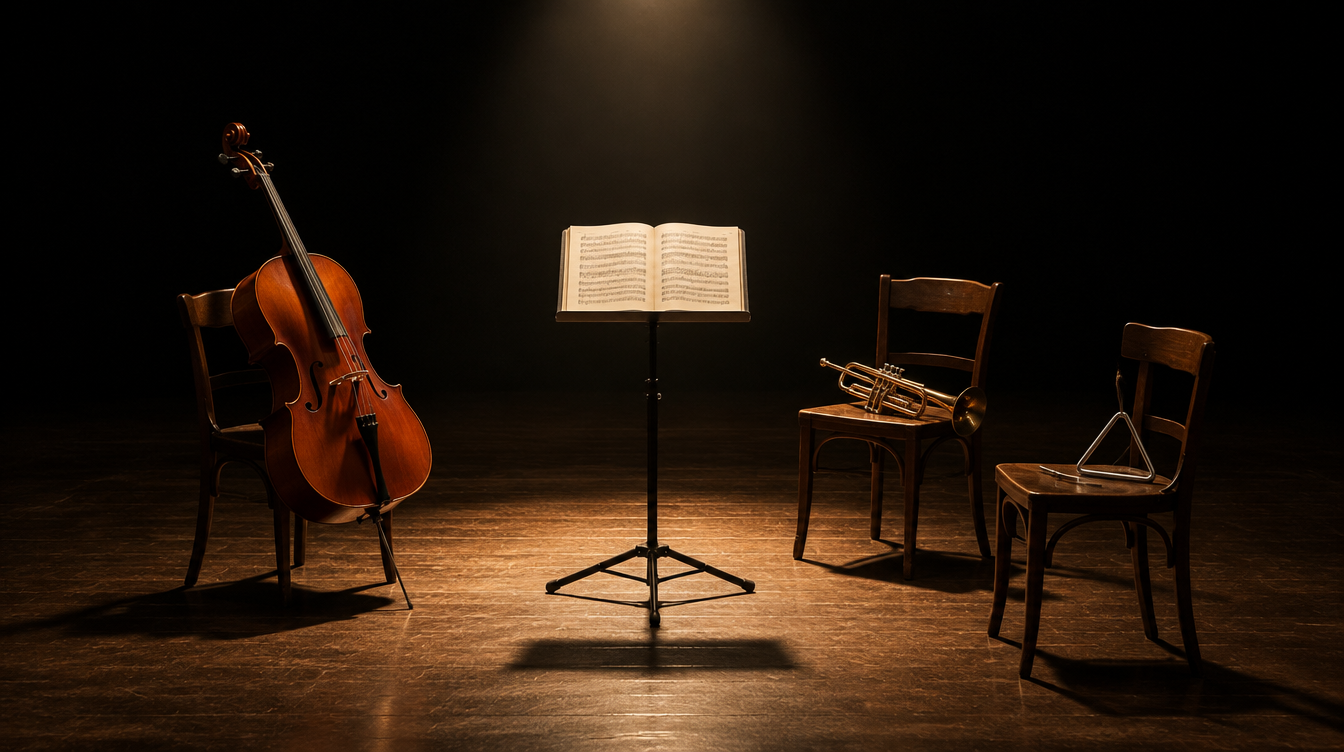
Three vendors on one team only works if they play from the same score. An orchestra with a cello, a trumpet, and a triangle sounds like one thing because of a score. At our place, the company brain plays that role in Google Drive.
Three agreements keep the models in sync:
- One source for all working rules.
AGENTS.mdin the brain root holds the rules for each model, Claude to Gemini to Codex.CLAUDE.mdand other tool files point back to it and add only tool-specific details. - A fixed startup block per chat app. ChatGPT Projects, Gemini Gems, and Claude Projects all get the same short block: read
AGENTS.mdandBRAIN.mdfirst, never work from memory alone. The rules stay in the brain, so a copy in an app never falls behind. - Every model documents its work. An agent only writes new files to
_inbox/, with the model as the last part of the name:2026-10-06-pricing-strategy-gemini.md. At Friday standup, Jurriën and Geert-Jan see at a glance which model made which proposal. A proposal only counts as a decision once one of them picks it up.
The breakdown above gets its own spot in 60-ops/stack.md, alongside the existing AI stack. That way, every agent reads at startup which work belongs to them, and when to reach for a heavier model.
What measurement taught us
The biggest wins came from the source, the brief, and the order of work. A bigger, newer model rarely landed at the top.
Clean up your source data before you scale up. Mira, the chat assistant on mi-nagi.com, echoed the phrasing "research shows" from magazine articles despite a hard rule in her prompt. A stronger model follows rules tighter, at roughly double the rate. Filtering the source text hits the root cause and costs nothing. A model picks up the words from the text it summarizes; an instruction above it carries less weight.
Two models, two majorities. The same brief about two product concepts gave Claude a majority for A, twelve of eighteen, and ChatGPT a majority for B, eleven of eighteen. Both runs saw the same strengths and weaknesses. They weighed them differently. We read the overlaps as signal, the gaps as a test checklist for the physical trial.
Hands trip up image models. Nano Banana Pro delivers a crisp product for 2 credits, and three rounds running a hand with stubby fingers. GPT Image 2 on high costs 6.5 credits and nailed it in one round. The pricier route turned out cheapest.
Separate voice and image. A spoken video with the voice baked into the model took four takes at 82 to 135 credits each to get two proper nouns right. With audio first and then a video model with audio reference, the same 15 seconds runs around 30 credits.
Check your lightweight tier again each quarter. Mira runs on Claude Haiku 4.5, at $1 / $5 per million tokens. Haiku 5.5 costs $0.10 / $0.50. Her system prompt plus the magazine runs roughly 12,000 tokens; with prompt caching, a cold chat now costs just over a cent. On 5.5 it drops to a tenth.
Five tips to start tomorrow
- Start on the lightest tier. Put a new task first on Haiku, Luna, or Flash. Scale up the moment the output falls short, and note why.
- Ask per task what a mistake costs. A strategic call deserves the top model; a meeting summary gets the workhorse.
- Fix your source before you buy a bigger model. A clean knowledge base with a light model beats a messy source with a heavy one most of the time.
- Have two vendors answer the same question for calls that cost money. The gap in output shows where the real doubt lives.
- Lock the breakdown on a page every model reads. An
AGENTS.mdwith a table per task stops every teammate and agent from picking the priciest model again.
Also set a standing calendar block to review the price sheets. The tiers shift every quarter, and a successor sometimes runs a tenth of its predecessor.
Sources
- Anthropic, Claude API pricing: https://platform.claude.com/docs/en/about-claude/pricing
- OpenAI, API pricing: https://developers.openai.com/api/docs/pricing
- Google, Gemini Developer API pricing: https://ai.google.dev/gemini-api/docs/pricing